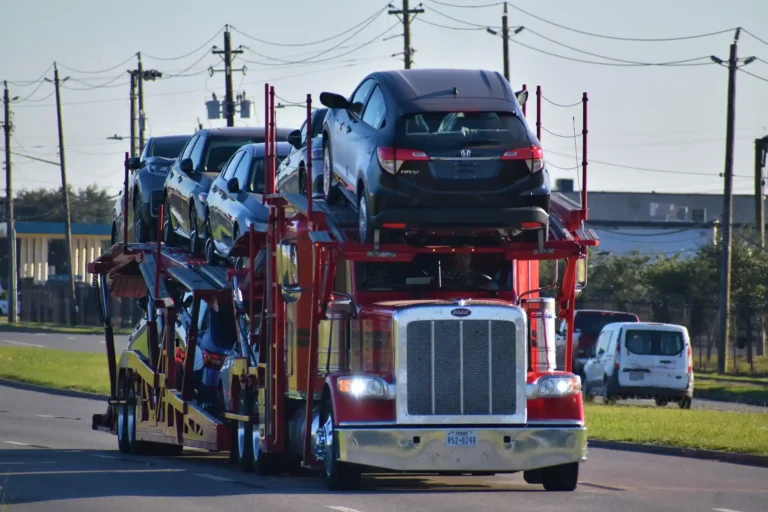
What to Expect During Car Shipping: A Complete Guide
Shipping your car to another city or state can seem complicated, especially if you have never used an auto transport service. You might have questions about the process, delivery time, costs, and how your vehicle will be handled.
Fortunately, car shipping is usually straightforward. You book a transport service, prepare your vehicle, arrange pickup, and wait for delivery. The driver inspects your car before loading it and checks its condition again when it arrives.
Knowing what happens at each stage can help you prepare and avoid unexpected problems. Here is a closer look at what to expect during car shipping.
How Does the Car Shipping Process Work?
Most auto transport companies follow a similar process, although some details depend on your route and selected service.
Here are the main steps:
- Get quotes: Provide your vehicle details, pickup and delivery locations, and preferred shipping dates.
- Choose a company: Compare prices, customer reviews, services, and payment policies.
- Confirm your booking: Review the agreed price, pickup window, and estimated delivery time.
- Arrange pickup: The company assigns a carrier and provides further instructions.
- Prepare your vehicle: Clean your car, remove personal belongings, and take photographs.
- Complete the inspection: The driver records your vehicle’s existing condition before loading.
- Receive your car: Inspect it at delivery and report any new damage before completing the paperwork.
One thing worth understanding is the difference between a broker and a carrier. A broker arranges transportation, while a carrier is responsible for physically moving your vehicle.
For interstate car shipping in the United States, check the carrier’s registration and operating authority through the FMCSA consumer advisory.
What Happens After Booking Your Car Shipment?
Once you book a service, the company starts arranging transportation. If you use a broker, it will look for an available carrier traveling along your route.
Driver details may not be available immediately. You will generally receive them once a carrier accepts the shipment.
Before pickup, review your booking confirmation and make sure it includes:
- Pickup and delivery addresses
- Vehicle details
- Transport method
- Agreed shipping price
- Payment terms
- Estimated pickup and delivery dates
Also, ask how the company handles scheduling changes and unexpected delays.
If you choose door-to-door car shipping, the carrier will try to collect and deliver your vehicle as close to your requested addresses as possible. However, large transport trucks cannot access every residential street. In such cases, you may need to meet the driver at a nearby accessible location.
How to Prepare Your Car for Shipping
A little preparation can make vehicle pickup easier and help prevent misunderstandings.
Before the driver arrives, take care of the following:
- Wash your car so existing scratches and dents are easy to identify.
- Remove personal belongings, valuables, and loose accessories.
- Check the battery, tires, brakes, and general vehicle condition.
- Disable alarms that might activate during transportation.
- Remove toll tags and secure removable exterior accessories.
- Keep the fuel level within the carrier’s requested limit.
- Inform the company about mechanical problems, leaks, or modifications.
- Take clear pictures of your vehicle from different angles.
Avoid leaving personal items inside your car unless the company specifically allows them. Such belongings may not be covered by the carrier’s cargo insurance.
If your vehicle is not running, mention this when requesting quotes. Non-operational cars may require special loading equipment and additional charges.
What Happens During Pickup and Vehicle Inspection?
Pickup day is an important part of the shipping process. Before loading your car, the driver checks its details and records its visible condition.
Try to be present during this inspection. Walk around the vehicle with the driver and pay attention to scratches, dents, damaged bumpers, windows, mirrors, wheels, and other exterior areas.
The driver usually records these details in a document called a bill of lading (BOL).
A bill of lading serves as a shipping record and includes important information about your vehicle’s condition when the carrier takes possession.
Read it carefully before signing. If something is missing or incorrectly recorded, ask the driver to correct it. Keep a copy for your records.
If you cannot attend pickup, arrange for a trusted adult to handle the inspection, but confirm this with the transport company first.

What Happens While Your Car Is Being Transported?
After pickup, your vehicle begins its journey to the destination on an open or enclosed trailer.
During transportation, the driver may stop for fuel, rest breaks, traffic, and other scheduled deliveries. These are normal parts of long-distance auto transport.
Some companies provide GPS tracking, text notifications, or regular progress updates. Others communicate through their dispatch teams.
Ask about tracking and communication options before booking so you know how to check your shipment’s progress.
Remember that delivery estimates are not always exact. Weather, traffic, road closures, and unexpected equipment problems can affect the schedule.
Keep your phone available and stay flexible until the driver confirms the delivery arrangements.
What Should You Expect on Delivery Day?
When your car reaches its destination, the driver will usually contact you to confirm the delivery location and estimated arrival time.
Make sure someone is available to receive the vehicle and that the unloading area is accessible.
Before signing the final paperwork, inspect your car carefully.
Check the following:
- Doors, bumpers, and body panels
- Roof, windows, and windshield
- Mirrors and exterior lights
- Wheels and tires
- Any areas that had existing damage
Compare the vehicle’s condition with your pickup photographs. If you notice new damage, take pictures and make sure it is recorded on the delivery paperwork before signing.
Contact the carrier promptly and ask about its insurance claims procedure.
Keep your bill of lading, photographs, booking confirmation, and payment records. These documents may be useful if you need to report a problem.
How Long Does Car Shipping Usually Take?
Car shipping time depends on distance, route, carrier availability, and delivery location.
Short regional shipments may take a few days, while cross-country transportation can take a week or longer.
However, the overall process also includes finding an available carrier and arranging pickup. This means your total waiting time may be longer than the actual time spent on the road.
Other factors that can affect delivery include:
- Seasonal shipping demand
- Weather and road conditions
- Traffic delays
- Remote pickup or delivery locations
- Carrier schedules
If you need your vehicle by a particular date, arrange transportation early. Also, ask the company for separate pickup and delivery estimates rather than relying on a single general timeframe.
What Factors Affect Car Shipping Costs?
The cost of transporting a vehicle depends on several factors. Even cars traveling similar distances may have different shipping prices.
Some of the biggest pricing factors include:
- Distance: Longer routes generally cost more.
- Vehicle size: Large SUVs and pickup trucks may require additional trailer space.
- Vehicle condition: Non-running cars may need special loading equipment.
- Transport type: Enclosed car shipping usually costs more than open transport.
- Location: Remote areas and difficult access points can affect pricing.
- Timing: Expedited services and seasonal demand may increase costs.
When comparing quotes, do not focus only on the advertised price. Ask about deposits, additional fees, payment arrangements, and whether the final price can change after carrier assignment.
Understanding these details beforehand can help you avoid unexpected expenses.
Open vs. Enclosed Car Shipping: Which Is Better?
Your choice between open and enclosed transport depends on your vehicle and protection requirements.
Open Car Transport
Open car transport is a popular and generally more affordable option. Vehicles travel on uncovered trailers, often alongside several other cars.
It is suitable for many everyday vehicles and is widely available across the United States.
The main drawback is that your car remains exposed to weather and road debris during transportation.
Enclosed Car Shipping
Enclosed transport moves vehicles inside a covered trailer, offering additional protection from outdoor conditions.
It is often preferred for classic, luxury, restored, and high-value vehicles.
However, enclosed shipping usually costs more and may have fewer available carriers.
Consider your budget, vehicle value, and protection needs before choosing either option.
Is Car Shipping Safe?
Professional auto transport is a convenient way to move your vehicle without driving it yourself. However, choosing the right company is important.
Before booking, review the carrier’s registration and insurance information. For interstate shipments in the United States, the FMCSA Licensing and Insurance database can help you check relevant carrier information.
Ask the company for written details about its cargo insurance, including:
- Coverage limits
- Exclusions
- Deductibles
- Damage reporting requirements
- Claims procedures
Do not assume that every type of damage is automatically covered. Understanding the policy before pickup can help you make a more informed decision.
Common Car Shipping Mistakes to Avoid
Small oversights can create unnecessary problems during transportation.
Here are some mistakes worth avoiding:
- Choosing a company based only on the lowest quote.
- Not checking whether the provider is a broker or carrier.
- Providing incorrect vehicle information.
- Failing to mention mechanical problems.
- Leaving valuable belongings inside the car.
- Skipping vehicle photographs and inspections.
- Ignoring payment and cancellation policies.
- Signing delivery paperwork without recording visible damage.
Taking time to review these details can make the entire experience much easier.
Tips for a Smooth Car Shipping Experience
You do not need to manage every part of the transportation process yourself. However, staying prepared and communicating with your transport provider can make a big difference.
Keep these tips in mind:
- Compare quotes from multiple reputable companies.
- Book early during busy shipping seasons.
- Confirm pricing and scheduling in writing.
- Keep the driver’s contact information available.
- Prepare your vehicle before pickup.
- Take photographs before handing over the keys.
- Read the bill of lading carefully.
- Inspect your vehicle before accepting delivery.
- Keep all shipping documents and payment records.
If something is unclear, ask the company before your vehicle is picked up.
Final Thoughts
Car shipping becomes much easier when you understand what happens from booking to delivery. Preparing your vehicle, choosing a reliable transport provider, and checking the paperwork can help prevent common problems.
Before booking, compare your options, understand the insurance arrangements, and confirm the expected delivery schedule.
With proper preparation and clear communication, you can make the vehicle transportation process more convenient and avoid unnecessary surprises.