
2026 Complete Guide
How to Ship a Car to Another State – Cheapest Way
Everything you need to know about interstate car shipping, including costs, transport options, paperwork, preparation, insurance, delivery and common mistakes.
Shipping Options
Open, enclosed and other transport methods explained.
Cost Factors
Distance, vehicle size, timing, route and availability.
Before Pickup
Documents, preparation, photos and vehicle inspection.
Safe Delivery
BOL, insurance, damage inspection and claims basics.
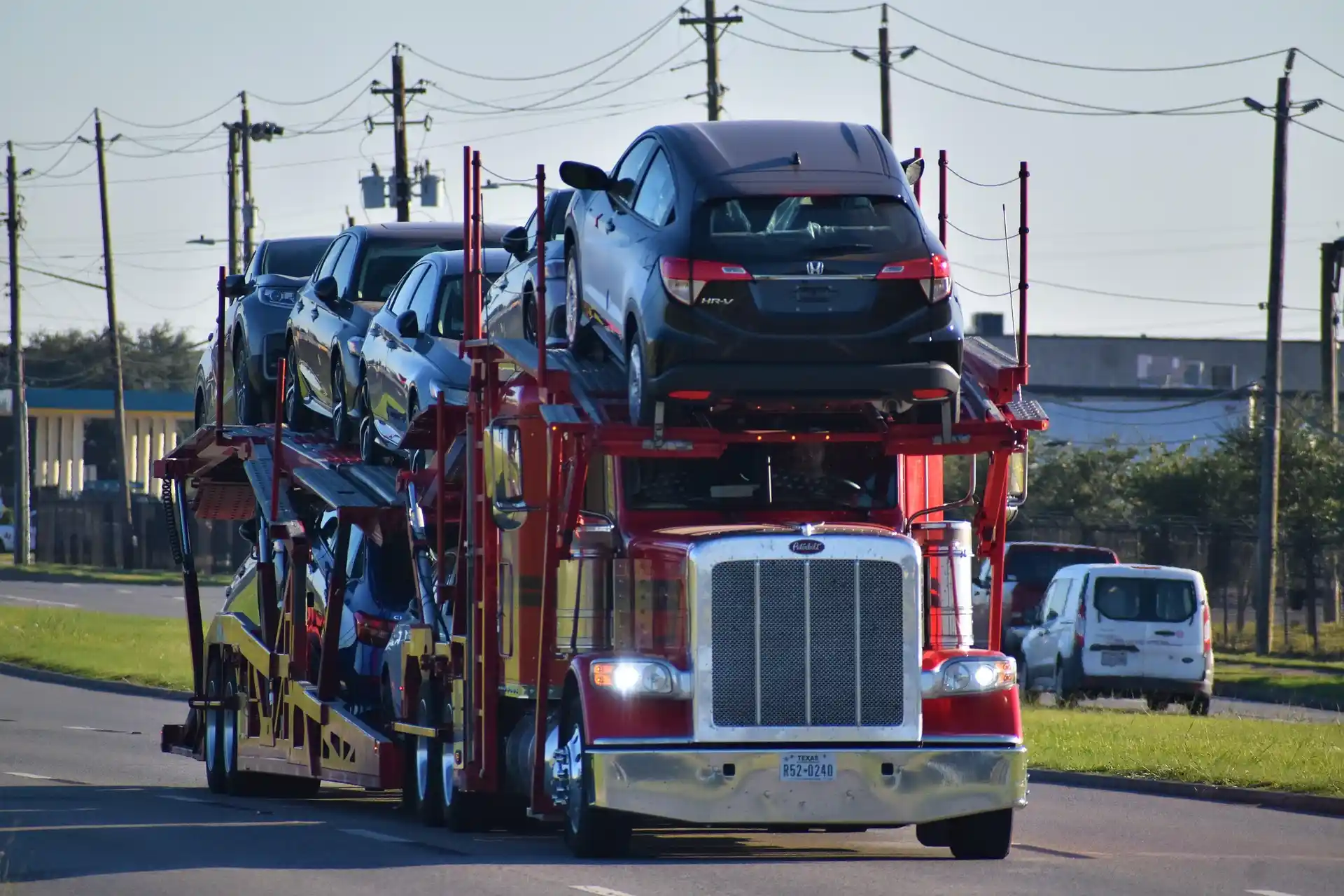
Moving to another state is already a major project. Adding a vehicle to the move creates another decision: should you drive it yourself, use an open carrier, or choose enclosed transport?
Interstate car shipping is usually easier when you understand the process beforehand. You choose a transport method, compare qualified companies, prepare the vehicle, arrange pickup and inspect it when it arrives.
This guide walks through the process from beginning to end, including transportation options, pricing factors, paperwork, preparation, pickup, transit, delivery and common mistakes to avoid in 2026.
What to Know Before Shipping a Car Across State Lines
Interstate auto transport is not simply a matter of handing your keys to a truck driver. The company you hire may be an auto transport carrier, which physically moves vehicles, or a broker, which arranges transportation through a carrier.
The Federal Motor Carrier Safety Administration (FMCSA) advises consumers to understand whether they are dealing with a broker or transporter and to verify the company’s federal registration.
Your final price and transportation schedule can depend on several variables, including:
- Pickup and delivery locations
- Total distance
- Vehicle size and weight
- Whether the vehicle runs
- Open or enclosed transport
- Pickup flexibility
- Time of year
- Carrier availability
- Accessibility of the pickup and delivery addresses
How Interstate Car Shipping Works
The basic process can be broken into these steps:
Choose Pickup and Delivery Locations
Decide where the vehicle will be picked up and delivered.
Choose a Transport Method
Select open or enclosed transport and decide whether the available delivery arrangements fit your route.
Research Companies
Compare registration information, insurance, reviews, policies, communication and service terms.
Request Quotes
Provide accurate vehicle, route and scheduling information.
Book the Shipment
Confirm timing, payment terms, cancellation policies and the transportation arrangement.
Prepare the Vehicle
Remove belongings, photograph the car and disclose mechanical problems before pickup.
Complete the Bill of Lading
Inspect the vehicle with the driver and make sure existing damage is documented accurately.
Track the Shipment
Use the tracking or communication method provided by the company.
Inspect at Delivery
Compare the vehicle with your pickup photos and original Bill of Lading before completing the final paperwork.
Different Ways to Ship a Car to Another State
Open Car Transport
Open carriers are the familiar multi-vehicle trailers commonly used to move cars across the country. They are generally more economical and widely available.
Enclosed Car Transport
Enclosed transport places the vehicle inside a protected trailer. It generally costs more and may be useful for luxury, classic, collectible or high-value vehicles.
Door-to-Door Shipping
The carrier attempts to pick up and deliver the vehicle as close as practical to the requested addresses, depending on access and road conditions.
Terminal-to-Terminal
Where available, the vehicle is dropped at one designated facility and collected from another.
Shipping by Train
Rail transport may be available on certain routes, although schedules and destination options can be more limited.
Professional Driver
A driver can take the vehicle directly to its destination, but this adds mileage, wear and different insurance considerations.
Towing With a Trailer
Self-towing is possible when you have the appropriate towing vehicle and trailer and meet applicable requirements.
Driving the Car Yourself
For shorter moves this may be practical. For longer trips, compare fuel, hotels, meals, tolls, mileage, wear and time.
How Much Does It Cost to Ship a Car to Another State?
There is no universal interstate car shipping price. A quote is based on several variables that come together for a particular shipment.
Two vehicles traveling the same distance can receive different quotes because their size, condition, transport requirements, pickup locations and scheduling needs differ.
Main Factors That Affect Car Shipping Cost
- Distance
- Vehicle size and weight
- Route demand
- Pickup and delivery locations
- Open or enclosed transport
- Vehicle condition
- Season
- Pickup flexibility
- Expedited service
- Carrier availability
Distance
Longer routes generally require more fuel, driver time and operating resources. Pricing does not necessarily increase at a perfectly predictable rate for every additional mile.
Vehicle Size and Weight
A compact sedan takes up less trailer space than a large SUV, pickup or oversized vehicle. Larger vehicles can therefore cost more to transport.
Open vs. Enclosed Transport
Open transport is usually the lower-cost option because it is the standard method for moving large numbers of vehicles. Enclosed transport generally costs more because it provides additional protection and has less available capacity.
Operable vs. Inoperable Vehicle
A vehicle that starts, rolls, brakes and steers is easier to load. Inoperable vehicles may require a winch, special equipment or additional labor.
Expedited Shipping and Seasonality
A narrow delivery timeframe may reduce scheduling flexibility and increase the cost. Demand can also change during holidays, relocation periods, college moves and other seasonal events.
What Is the Cheapest Way to Ship a Car to Another State?
For many standard vehicles, open auto transport is typically the more economical professional shipping method.
Open Transport
Usually the standard and more economical professional transport method.
Flexible Dates
Flexible pickup and delivery dates can give carriers more options when arranging your shipment.
Accessible Locations
Major highways and accessible meeting points can sometimes be easier for carriers to serve.
Compare Complete Costs
Review deposits, payment terms, transport method and possible additional charges instead of comparing only the headline price.
Why Quotes Can Change
Before booking, ask who is transporting the vehicle, what is included in the quote, whether the price can change, what payment is required and what happens if the carrier cannot meet the expected schedule.
How to Choose a Car Shipping Company
Broker vs. Auto Transport Carrier
A carrier physically transports your vehicle. A broker arranges transportation between the customer and a carrier.
Using a broker is not automatically a problem. The important thing is understanding which type of company you are hiring and who will ultimately move the vehicle.
Verify Registration
Ask the company for its identifying registration information and verify it through the Federal Motor Carrier Safety Administration.
Insurance Information
Ask what insurance coverage the carrier maintains and what the policy covers. Do not assume that the phrase “fully insured” answers every question.
Reading Reviews
Look for consistent patterns involving communication, pickup reliability, price changes, delivery handling, damage claims and customer support.
Questions to Ask Before Booking
- Are you a broker or carrier?
- Who will physically transport my car?
- What is included in the quoted price?
- Can the price change?
- What insurance does the carrier carry?
- How will damage be documented?
- What happens if pickup is delayed?
- How will I receive shipment updates?
- What payment is required?
- What are the cancellation terms?
What Documents Do You Need to Ship a Car?
Required paperwork depends on the carrier, vehicle circumstances, ownership situation and shipment type.
Bill of Lading
Records shipment information and vehicle condition. Review the condition notes carefully at pickup and delivery.
Registration & Title
A carrier may not always require the title simply to transport the vehicle, but special circumstances can require additional documentation.
Insurance Information
Understand both your own vehicle insurance and the carrier’s commercial coverage.
Photo ID
The person releasing or receiving the vehicle may need to provide identification.
Power of Attorney
May be relevant when another person is authorized to act on your behalf in certain situations.
Lienholder Authorization
Financed or leased vehicles may have additional requirements. Check with the lender or leasing company when necessary.
How to Prepare Your Car for Interstate Transport
Before the Carrier Arrives
- Remove personal belongings and valuables.
- Wash the exterior.
- Photograph the vehicle from every angle.
- Document existing scratches and dents.
- Check tires and mechanical condition.
- Follow the carrier’s fuel-level instructions.
- Disable or secure alarms.
- Remove loose accessories and parts.
- Tell the carrier if the vehicle does not run.
- Keep important documents with you.
Photograph the Vehicle
Capture clear photos of the front, rear, both sides, wheels, roof, windshield, interior, existing damage and odometer.
Prepare an Inoperable Vehicle
Tell the transporter exactly why the vehicle cannot run. Explain whether it rolls, steers and brakes and whether the battery is connected.
What Happens on Pickup Day?
Carrier Arrival and Inspection
The driver may contact you before arriving. Be available during the agreed pickup window and make sure the vehicle is accessible.
Walk around the vehicle yourself and compare your observations with the driver’s inspection.
Bill of Lading
Make sure existing scratches, dents, chips and other relevant damage are accurately documented before signing.
Before the Driver Leaves
- Keep a copy or record of the Bill of Lading.
- Save the driver’s contact information.
- Confirm the destination.
- Confirm how shipment updates will be provided.
What Happens While Your Car Is in Transit?
How Long Does Interstate Car Shipping Take?
Transit time depends heavily on the route. Weather, traffic, road conditions, driver schedules, pickup sequencing and other shipments can affect delivery.
What Can Cause Delays?
- Severe weather
- Traffic
- Mechanical issues
- Road closures
- Driver scheduling
- Difficult pickup or delivery access
- Remote destinations
Tracking Your Vehicle
Some companies provide GPS-based or online tracking. Others use phone, text or status updates. Ask what tracking actually means before booking.
What Happens When Your Car Is Delivered?
Inspect Before Signing
Walk around the vehicle and inspect it in good light if possible.
Compare With Pickup Photos
Use your original photographs and the pickup Bill of Lading as references.
- Photograph it immediately.
- Have the condition noted on delivery paperwork.
- Notify the carrier according to its claims procedure.
- Keep copies of documentation and photographs.
When and How to File a Damage Claim
The correct party for a claim depends on the circumstances and the company involved.
This is particularly important when a broker arranged the shipment. A broker and the carrier are not the same entity, so understand who physically transported the vehicle and who handles claims.
Best Practice
Document visible damage immediately at delivery and follow the written claims process provided by the carrier or relevant transportation company.
Can You Ship Personal Items Inside Your Car?
The answer depends on the carrier’s policy. Some carriers permit limited personal property while others prohibit it.
Items You Should Remove
- Cash
- Jewelry
- Electronics
- Important documents
- Medication
- Irreplaceable items
- Personal identification
- Valuable collectibles
Ask Your Carrier
Confirm whether personal items are permitted, whether there is a weight limit, where items may be placed, which items are prohibited and whether belongings are covered by insurance.
How to Ship Different Types of Vehicles
Sedan
Sedans generally fit standard carrier configurations and are commonly shipped using open transport.
SUV or Pickup
Larger vehicles may cost more because they consume additional trailer space.
Classic or Collector Car
Enclosed transport may be worth considering when additional protection is important.
Luxury or Exotic Vehicle
Ask detailed questions about equipment, insurance, loading procedures and claims.
Electric Vehicle
Tell the carrier that the vehicle is electric and follow relevant manufacturer transport instructions.
Motorcycle
Motorcycles require different loading and securing procedures and may need specialized equipment.
Non-Running Vehicle
Tell the carrier before booking so appropriate loading equipment can be arranged.
How to Avoid Auto Transport Scams and Unexpected Charges
- Won’t clearly identify itself as a broker or carrier.
- Avoids providing registration information.
- Gives vague answers about insurance.
- Pressures you to pay immediately.
- Changes the price without explaining why.
- Refuses to provide written terms.
- Makes guarantees that seem unrealistic.
Verify FMCSA Registration
Use official FMCSA information to check the business before hiring an interstate transporter or broker.
Understand Payment Terms
Before paying, understand the amount due upfront, when the remaining balance is due, accepted payment methods, refund policies and what happens if the shipment is cancelled.
Get Important Terms in Writing
If someone promises a particular service, price, delivery arrangement or insurance provision, make sure it appears in your agreement or written communication.
How to Get an Accurate Car Shipping Quote
Have This Information Ready
- Pickup ZIP code
- Delivery ZIP code
- Vehicle year
- Make
- Model
- Vehicle type
- Operable or inoperable status
- Preferred shipping dates
- Open or enclosed preference
- Special modifications
Why Vehicle Details Matter
Different vehicles occupy different amounts of trailer space and have different loading requirements.
Why Exact Locations Matter
Two addresses in the same state can produce different transportation logistics because of route accessibility, population density, distance from major highways and carrier availability.
Ask Whether the Quote Can Change
Don’t assume every online quote is a final guaranteed price. Ask directly what conditions could cause the amount to change.
Common Mistakes to Avoid When Shipping a Car
Only Choosing the Cheapest Price
Price matters, but it should be considered alongside service terms, insurance, timing and company identity.
Not Verifying the Company
Check registration information before committing your vehicle and money.
Waiting Until the Last Minute
Last-minute transportation can provide fewer scheduling options.
Giving Inaccurate Information
Incorrect vehicle dimensions, modifications or condition can cause problems when the carrier arrives.
Not Taking Photos
Before-and-after documentation can help establish vehicle condition.
Leaving Valuables Inside
Don’t use your vehicle as an unsecured storage container during transport.
Not Reading the BOL
Review the Bill of Lading carefully instead of signing it automatically.
Ignoring Access Restrictions
Large carriers need sufficient space and safe access for loading and unloading.
Frequently Asked Questions
What is the cheapest way to ship a car to another state?
For many standard vehicles, open auto transport is generally the lower-cost professional option. Flexible dates and accessible pickup locations may also help.
How much does it cost to ship a car to another state?
Pricing depends on route, distance, vehicle size, condition, transport type, timing, location and carrier availability.
How long does it take to ship a car between states?
Transit time varies by route and conditions. Weather, traffic, road conditions, driver schedules and pickup sequencing can all affect delivery.
Is it better to drive or ship a car?
It depends on the distance, schedule, vehicle and total cost. Compare fuel, hotels, meals, mileage, wear, time and return transportation against the shipping quote.
Do I need insurance to ship my car?
Insurance requirements and coverage depend on the transportation arrangement and applicable rules. Understand both your own policy and the carrier’s commercial coverage before shipping.
What documents are required to ship a car?
The Bill of Lading is a key shipment document. Additional documentation depends on the carrier and circumstances, including whether the vehicle is leased, financed, newly purchased or being released by someone else.
Can I ship a car that does not run?
Yes, many transport companies can handle inoperable vehicles. You must disclose the condition in advance because special loading equipment may be required.
Can I put personal belongings in my car?
Some carriers permit limited personal property while others prohibit it. Ask the actual provider before placing anything inside.
Can someone else hand over my car at pickup?
Often an authorized person can handle pickup, but confirm the arrangement with the carrier beforehand.
Can I track my car during transport?
Many providers offer tracking or status updates, but the technology varies. Ask whether tracking is GPS-based, portal-based or simply driver communication.
What happens if my car is damaged during transport?
Document the damage immediately, compare it with the pickup condition report, record it on delivery paperwork where appropriate and follow the carrier’s claims process.
Is open car transport safe?
Open transport is a standard method for moving vehicles across the U.S. It exposes vehicles to normal road and weather conditions, which is one reason some owners choose enclosed transport for higher-value vehicles.
Should I choose door-to-door or terminal shipping?
Door-to-door service can be convenient when the carrier can safely access the locations. Terminal service can be useful where available if residential access is difficult.
How far in advance should I book car transport?
Earlier is generally better when dates are important because it provides more time to compare companies and arrange around your preferred schedule.
Can I ship an electric, classic or luxury vehicle?
Yes. Tell the carrier exactly what you are shipping. Classic and luxury vehicles may benefit from enclosed transport, while EV owners should provide relevant vehicle information and follow manufacturer transport instructions.
Car Shipping Checklist
Before Booking
- Confirm pickup and delivery locations.
- Record the exact vehicle year, make and model.
- Determine whether the vehicle is operable.
- Choose open or enclosed transport.
- Choose preferred shipping dates.
- Research potential companies.
- Check FMCSA registration.
- Determine whether you’re hiring a broker or carrier.
- Ask about insurance.
- Compare written quotes.
- Understand payment and cancellation terms.
Before Pickup
- Remove valuables and personal belongings.
- Wash the vehicle.
- Take detailed photographs.
- Record existing damage.
- Check tires and mechanical condition.
- Follow fuel-level instructions.
- Remove loose accessories.
- Make sure the keys are available.
At Pickup and Delivery
- Inspect the vehicle with the driver.
- Check the Bill of Lading.
- Make sure existing damage is documented.
- Keep a copy of the paperwork.
- Compare the vehicle with your pickup photographs.
- Document any new damage immediately.
- Follow the carrier’s claims procedure if necessary.
- Keep your shipping records.
Final Thoughts
Shipping a car to another state doesn’t have to be complicated. Start with accurate pickup and delivery information, choose the transport method that fits your vehicle, verify the company, understand the paperwork, document the vehicle’s condition and take your time during the final inspection.